
List of 2026 Presenters
-
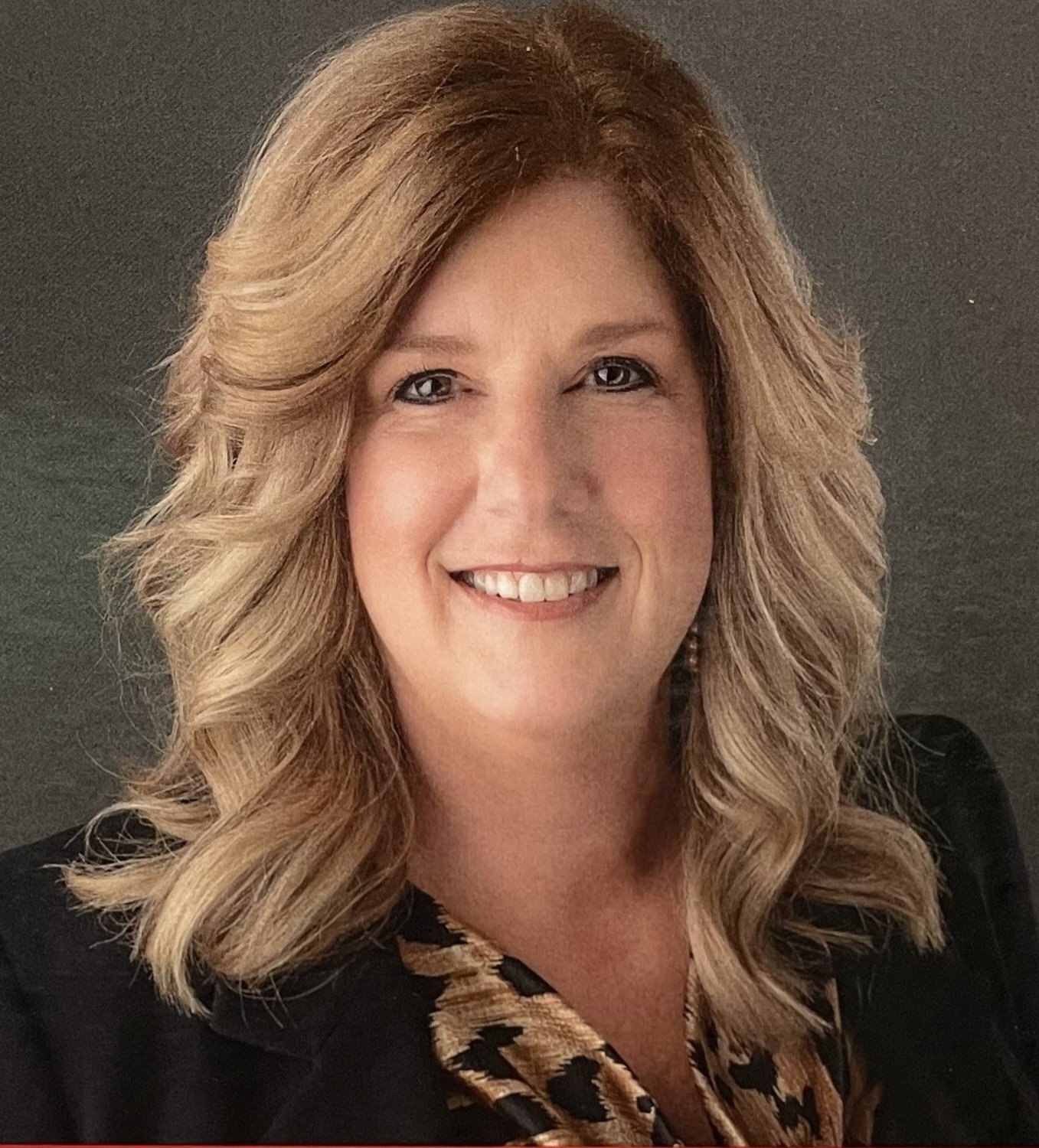
Tammie McCullough
KEYNOTE
Tammie McCullough, owner of West KY Aquaponics, will be our featured keynote speaker this year. In her presentation, Tammie will discuss West KY Aquaponics, an 8,000 square foot greenhouse that has been operational since 2018 producing tilapia along with a variety of leafy greens, herbs, and other crops. Additionally, their farm incorporates solar energy to offset energy costs through renewable resources. Tammie will be speaking on how they started, what they have learned, and where they are going. Join us to hear West KY Aquaponics journey in sustainable food production!
-
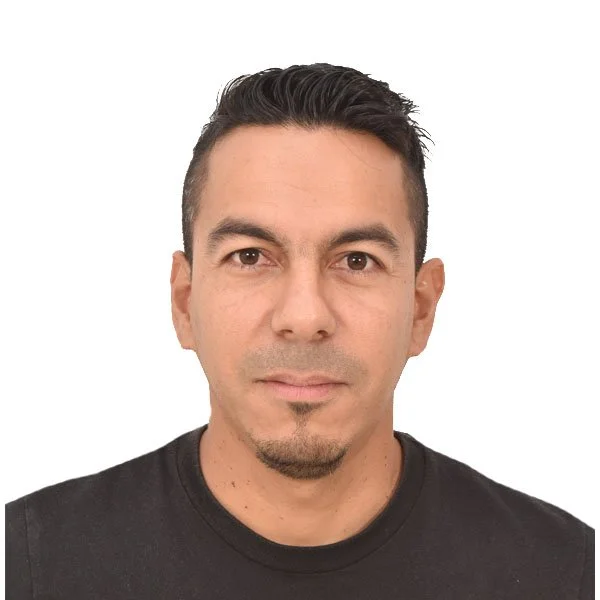
Daniel Muñoz Andrade
Community Efforts
Daniel Muñoz Andrade, President - ADACOL (Colombian Association for Aquaponics Development), will conduct a presentation titled, “Production of fresh and healthy food for vulnerable families through aquaponic systems for self-consumption and small sales in the department of Cauca – Colombia”. He will be presenting on the results obtained from the Aquacol project and how this project was developed.
-
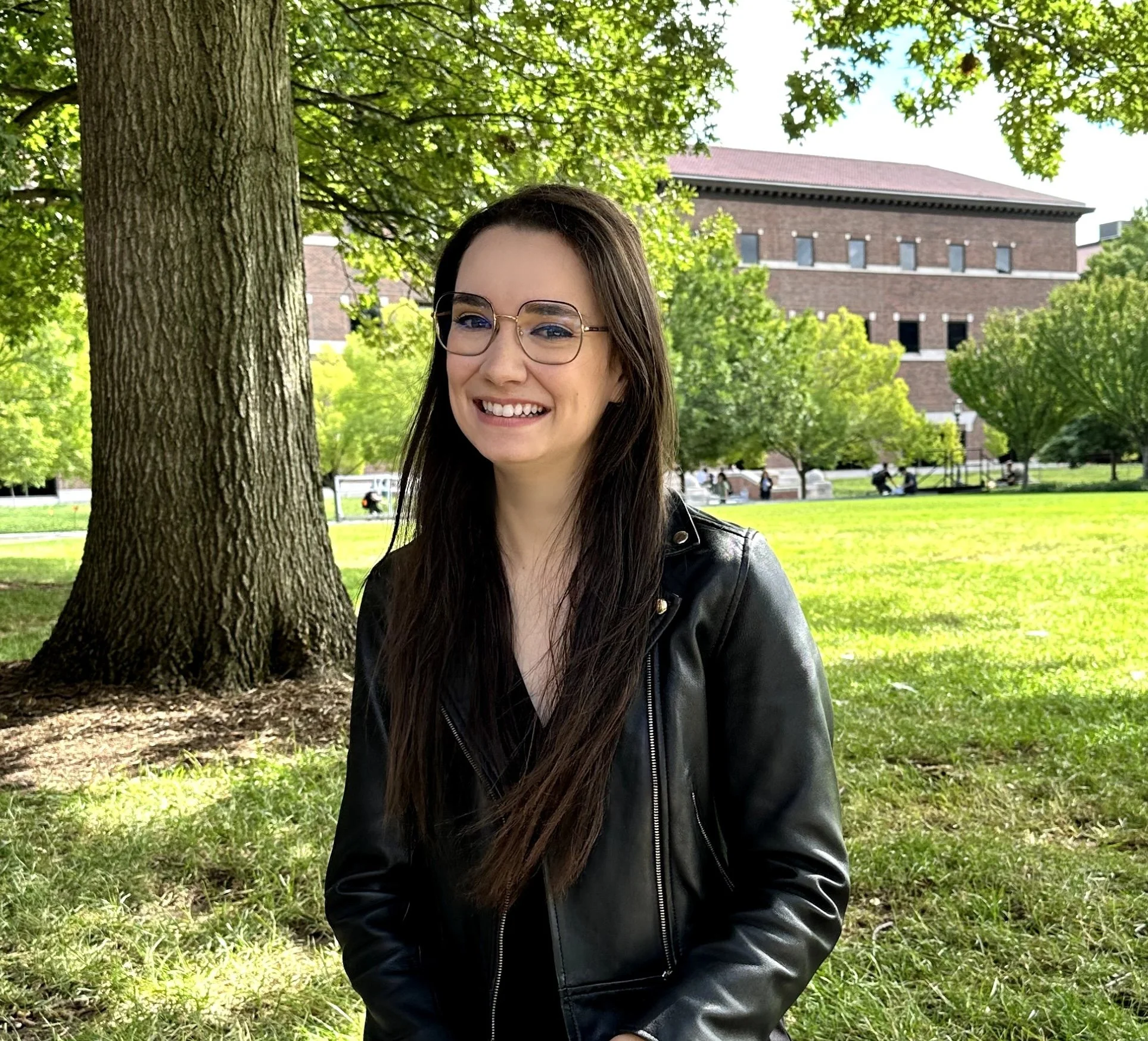
Fanny Gozzi
Research
Fanny Gozzi, PhD student at Purdue University, will be conducting a presentation titled, “Aquaponic Products through the Eyes of U.S. Consumers”. This presentation investigates current awareness and understanding of aquaponics, based on a nationwide survey (N=2,011) of adult primary grocery shoppers across all states. The findings reveal important awareness gaps and food safety concerns that may influence the aquaponics industry, while also exploring consumers’ recognition of existing food certification logos and their potential interest in a dedicated aquaponics label.
-
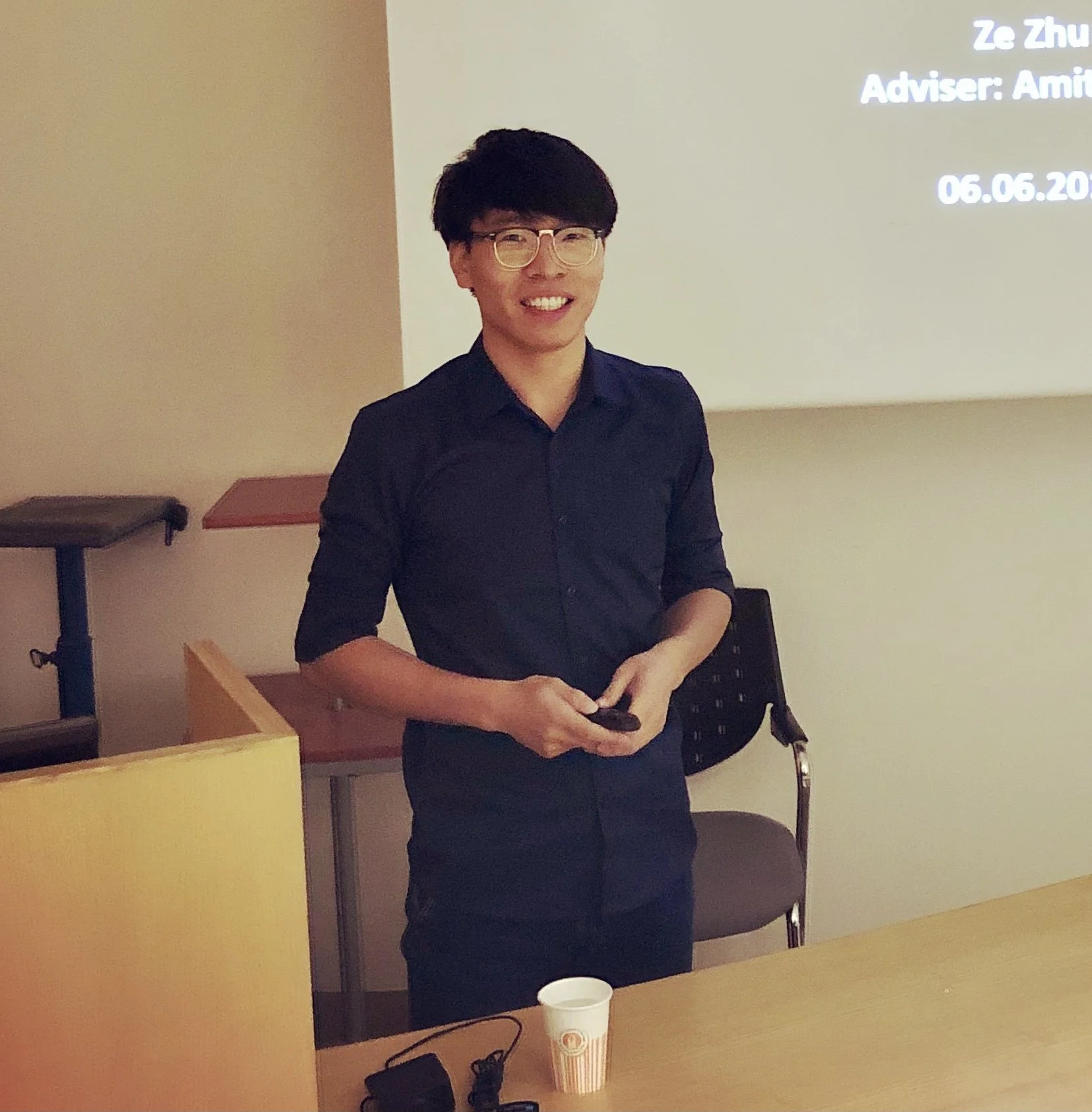
Ze Zhu
Research
Ze Zhu, PhD student at Purdue University, will be conducting a presentation titled, “Environmental assessment of industrial aquaponics using an integrated dynamic model”. This presentation will cover research which investigated innovative water and energy-saving strategies using an integrated dynamic model for on-demand industrial aquaponics systems in arid zones. Results on optimization of the aquaponic system design and various components as well as the climate control within the growing environment will be provided. Though initially designed for Israel, the scalable model can be applied to urban and arid regions globally.
-
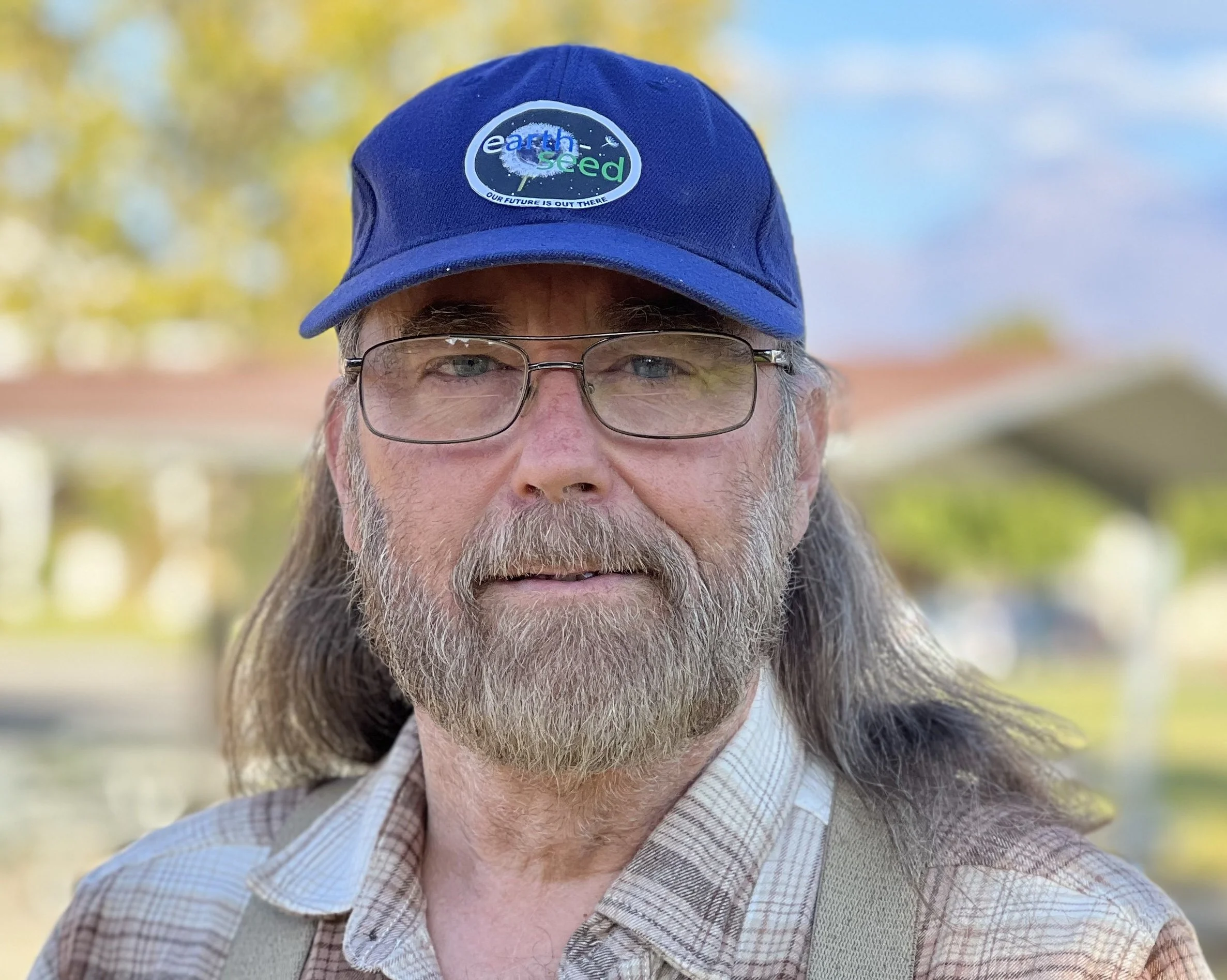
Donald Jacques
Community Efforts
Donald Jacques, Chief Scientist at EarthSeed, Inc, will be conducting a presentation titled, “CIRES - Aquaculture as a Foundation for Off-Earth Habitat”. The presentation will cover CIRES, which is an aquaculture-based architecture designed to facilitate air and water recycling, food production, and waste processing in a Closed Environment Agriculture setting. The MASH (Mobile Analog Space Habitat) is the current operating prototype demonstrating the system in action to produce Fish, Quail, and a variety of greens, root and fruiting crops.
-
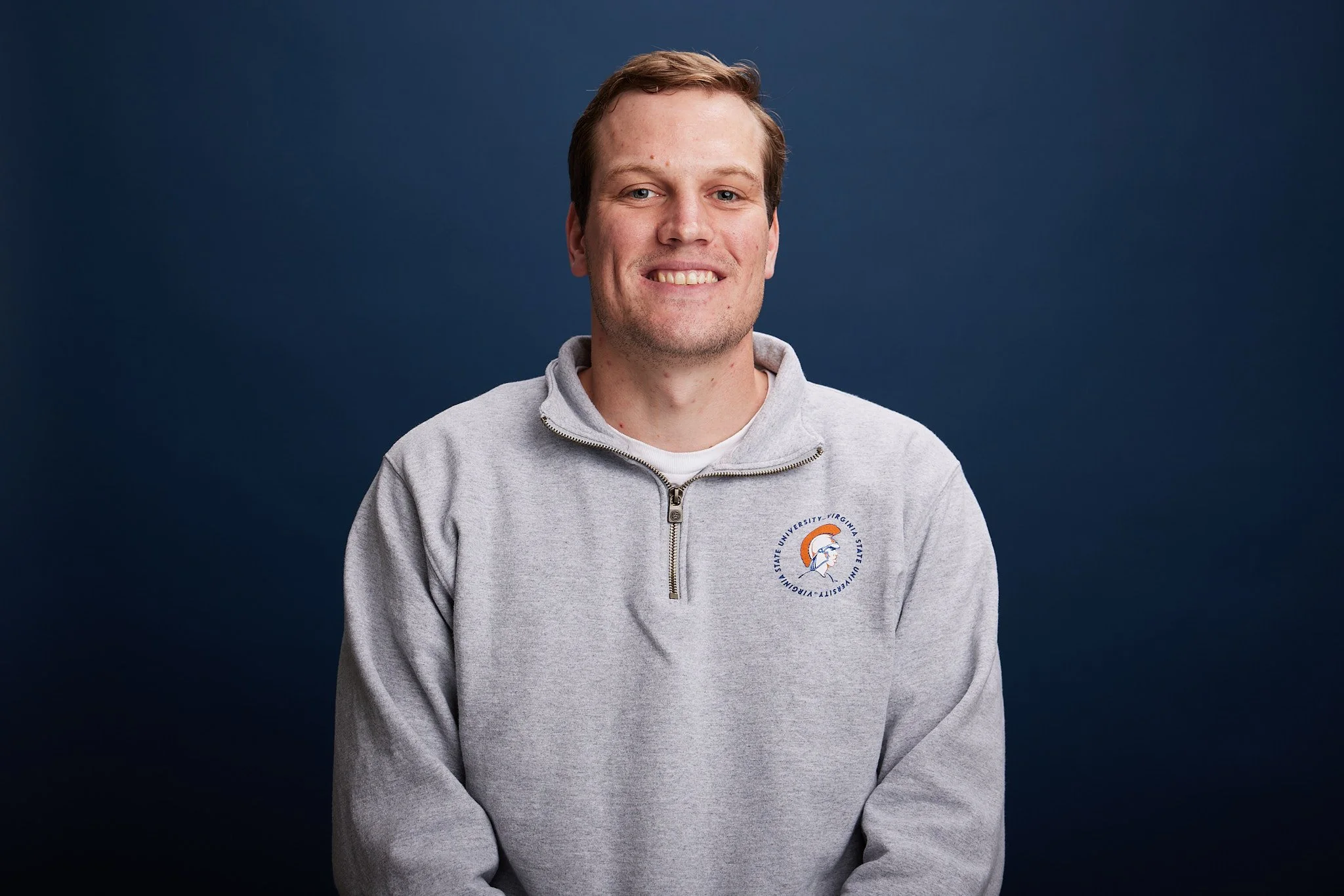
Josh Dusci
Research
Josh Dusci, Indoor Agriculture Associate at Virginia State University, will conduct a presentation titled, “Affects of low saline (2ppt) seawater on tilapia and cherry tomato production within raft aquaponic systems”. This presentation will highlight how producers or landowners may be able to utilize seawater in low volumes as an organic nutrient supplementation within aquaponic systems to produce higher yields of cherry tomatoes. Additionally, this presentation will cover how low-saline exposure changes nutrient content and flavor within the cherry tomatoes and the limitations that exist by tapping into seawater for organic nutrient supplementation.
-
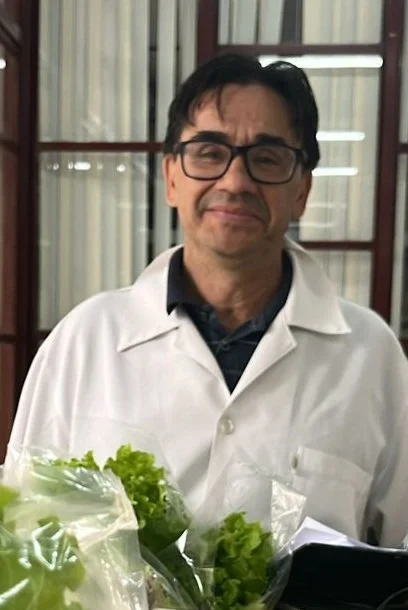
Dr. Alexandre Benvindo de Sousa
STEM/Educational Experiences
Dr. Alexandre Benvindo de Sousa, Full Professor at the Universidade Federal de Minas Gerais Brazil, will conduct a presentation titled, “Aquaponics as a training tool for young researchers within a junior research fellowship program in Brazil”. His presentation will discuss the project called “Aquaponics COLTEC - An Integrated Food Production System” , where students received scholarships grants provided by a state research agency. This project incorporated Aquaponics as a field for scholar training and scientific development to young researchers (aged 15 to 18).
-
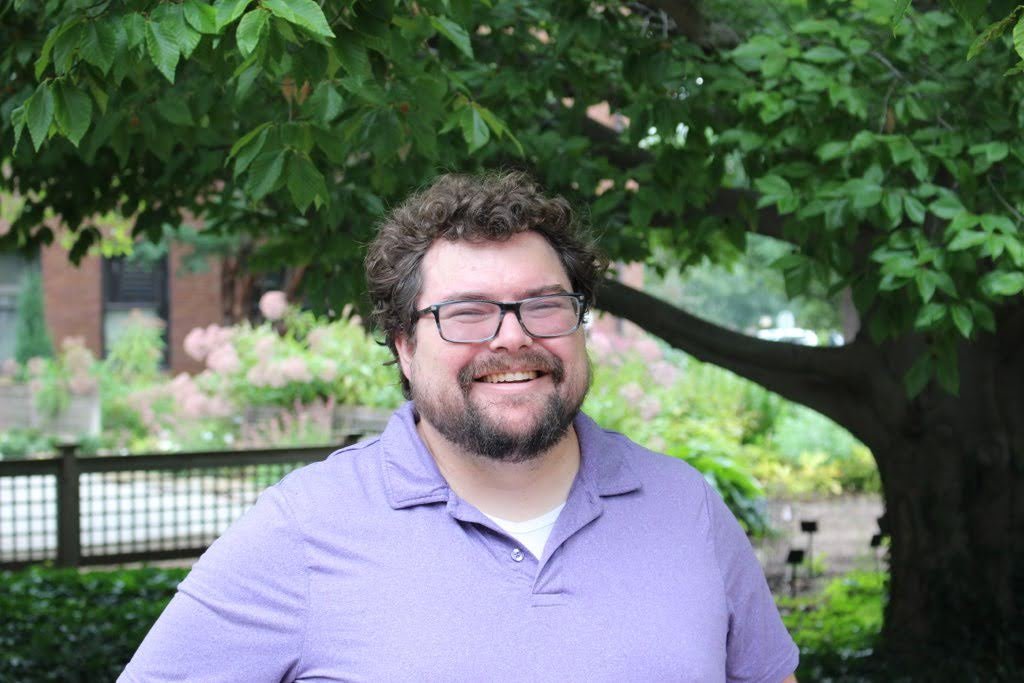
Timothy Rice
Research
Timothy Rice, Senior Aquaponics Technician, will conduct a presentation titled, “How water temperature affects crop production: a case study using two varieties of lettuce”. This presentation will cover research investigating how water temperature is rarely treated as a manipulable variable in aquaponic lettuce production, yet a 4°C difference in root-zone temperature produced strikingly divergent outcomes between two lettuce varieties grown under otherwise identical conditions. Salvius gained fresh weight and height in warmer water while Muir lost nearly 40 grams, revealing that the "right" temperature depends entirely on what you're growing.
-
Dr. Michael Timmons
Basics of Aquaponics
Dr. Michael Timmons, Professor at Cornell University, will conduct a presentation titled, “Advances in Recirculating Aquaculture Systems”. This presentation will cover how aquaponic systems depend upon a well designed fish system that employs recirculating aquaculture system (RAS) principles. How to design this as simple and cost effective as possible. Additionally, a novel RAS system will be presented and discussed with clear applications to aquaponic designs.
-
Rob Torcellini
Commercial/General Growing
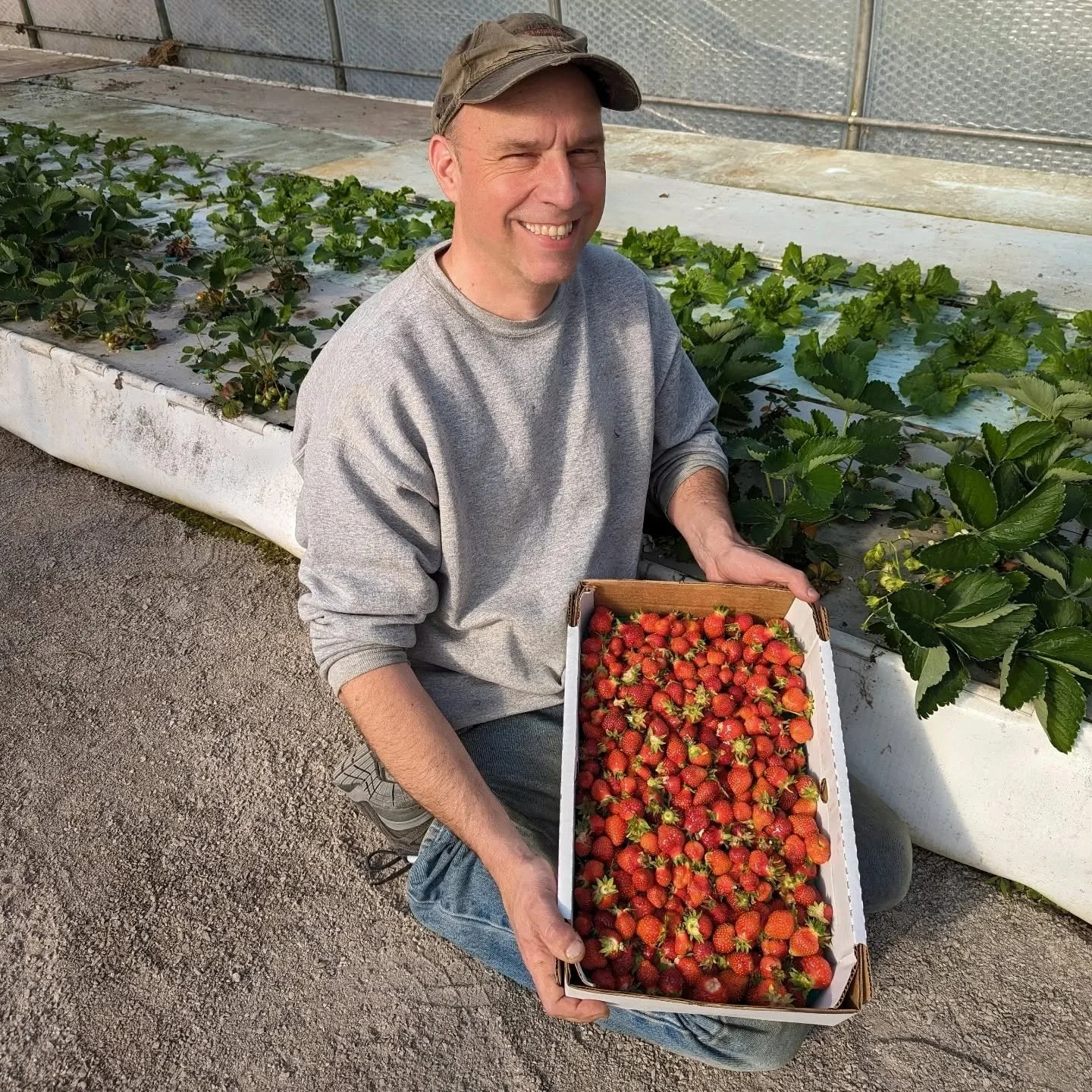
Rob Torcellini, Aquaponics Association Member and Owner of Bigelow Brook Farm, will conduct a presentation titled, “Growing Tomatoes (and strawberries) in Deep Water Culture Beds”. This presentation will share how Rob successfully grows a variety of tomato plants alongside strawberries in his deep water culture beds. Topics such as pest and disease management, water chemistry, and essential plant care techniques will be covered.
-
Kengo Hamada and Nelson Wei Tan
Commercial/General Growing
Kengo Hamada and Nelson Wei Tan, Co-founders and CEO of Aquaponi Inc., will conduct a presentation titled, “Commercial Aquaponics in Practice: A Decade and 70+ Farms in Japan, plus an Education Case from Singapore”. This session details how IoT and integrated operating technology are applied in real-world deployments, illustrated with concrete case studies from within Japan. The presentation also covers an education-focused aquaponics project for schools in Singapore, sharing a practical example from the education sector.
-

Ariana Billings
Research
Ariana Billings, Undergraduate Research Assistant at Kentucky State University, will conduct a presentation titled, “Substrate effects on kale growth, water quality, and root-associated microbiomes in dutch bucket hydroponic systems”. This presentation examines the effects of perlite, coconut coir, and expanded clay media on kale growth and rhizosphere microbial communities in a closed-loop Dutch bucket system. Understanding how substrate choice influences plant performance and beneficial microbial communities can help farmers optimize crop production and make more informed decisions for sustainable hydroponic and aquaponic agriculture.
-
Janelle Hager
Research
Janelle Hager, Aquaponic State Specialist at Kentucky State University, will conduct a presentation titled, “Using Break-Even Analysis to Strengthen Aquaponics Profitability”. This interactive presentation introduces break-even analysis as a practical financial planning tool for aquaponics producers. Participants will explore how fixed costs, variable costs, production volume, pricing, and marketable yield affect the break-even point for both fish and plants. Participants will leave with a clearer understanding of the financial targets needed to improve long-term business success.
-
Jeremy Shechter
Basics of Aquaponics
Jeremy Shechter, Founder of Open Source Horticulture, will conduct a presentation titled, “Indoor, Greenhouse or Modular? Choosing the Right CEA Facility for Your Aquaponics Operation”. Drawing on experience supporting projects across 22 states and more than 2 million square feet, Jeremy will will compare indoor, greenhouse and modular systems, including ground-up construction, warehouse conversions and containerized options. Participants will leave with a practical framework for evaluating climate, capital and operating costs, equipment selections, flexibility and performance against your production goals.
-

Victor Lobanov
Research Projects
Victor Lobanov, Researcher at The University of Gothenburg, will conduct a presentation titled, “Feeding the Tank Without Emptying the Ocean: A Meta-Analysis of Microbial Protein in Aquafeeds”. This presentation synthesizes feeding trials on bacterial, yeast, fungal, and microalgal proteins as fishmeal replacements. The overall meta-analysis of these studies will be presented. The analysis identifies methionine balance, species choice, and inclusion level as key constraints while highlighting fungal protein as a promising but understudied option.
-
Jennifer Wells
Basics of Aquaponics
Jennifer Wells, CEO of LATERAL.systems, will be conducting a presentation titled, “pH Dynamics in Aquaponics: From Atmospheric Drivers to Shell-Based Buffers”. This presentation will explore how pH dynamics differ across aquaponics system types, inter-relationships between monitored variables, and how oyster shells can serve as a natural, calcium-carbonate buffer to stabilize pH and alkalinity. The session will summarize what is already known about oyster-shell buffering, highlight key research gaps, and outline our team’s planned experiments to generate practical, system-specific design guidelines for the aquaponics community.
-

Glenn Martinez and Natalie Cash
Basics of Aquaponics
Glenn Martinez and Natalie Cash, owners and operators of Olomana Gardens, will conduct a presentation titled, “Electric Water Pump vs Airlift Pump”. In their presentation they will cover how airlift pump designs can enable end-users to operate their aquaponic and aquaculture systems more efficiently.
-
Phil Reasons
Commercial/General Growing
“Top 10 Reasons Aquaponic Farms Fail (and How to Avoid Them)”. In this engaging and practical presentation, Phil Reasons, President of Aquasol International, shares lessons learned from more than fifteen years of designing, constructing, commissioning, and troubleshooting aquaponic systems throughout the United States and internationally. Drawing from real-world experience across commercial farms, educational institutions, nonprofit organizations, research facilities, and humanitarian projects, Phil will identify the ten most common reasons aquaponic farms fail—and, more importantly, how those failures can be prevented.
-

Dr. Matthew Recsetar
Research Projects
Dr. Recsetar, Assistant Professor at The University of Arizona, will conduct a presentation titled, “More Crop per Drop: Hybrid Aquaponics and Advanced Nutrient Recovery”. This presentation will discuss the potential of hybrid aquaponics as a flexible, water-efficient production approach and examine advanced methods for recovering nutrients from aquaculture solids. Topics will include sludge stabilization and the use of dried plant material as a carbon source to stimulate microbial activity and increase nutrient release into mineralized effluent. Together, these strategies may improve water reuse, nutrient recovery, and the overall efficiency of aquaponic production systems.
-

Dr. Kamal Gosh
Research Projects
Dr. Gosh, Assistant Professor at Langston University, will conduct a presentation titled, “Integrated farming for sustainable catfish and leafy green production in aquaponic systems: implications for small-scale producers". This presentation will cover a recent study that evaluated an aquaponics system that combines channel catfish and Romaine lettuce production, where fish waste supplies nutrients for plant growth through natural biological processes. Findings suggest that aquaponics can provide a sustainable, water-efficient approach for small-scale producers by supporting simultaneous fish and vegetable production while enhancing local food security.
-
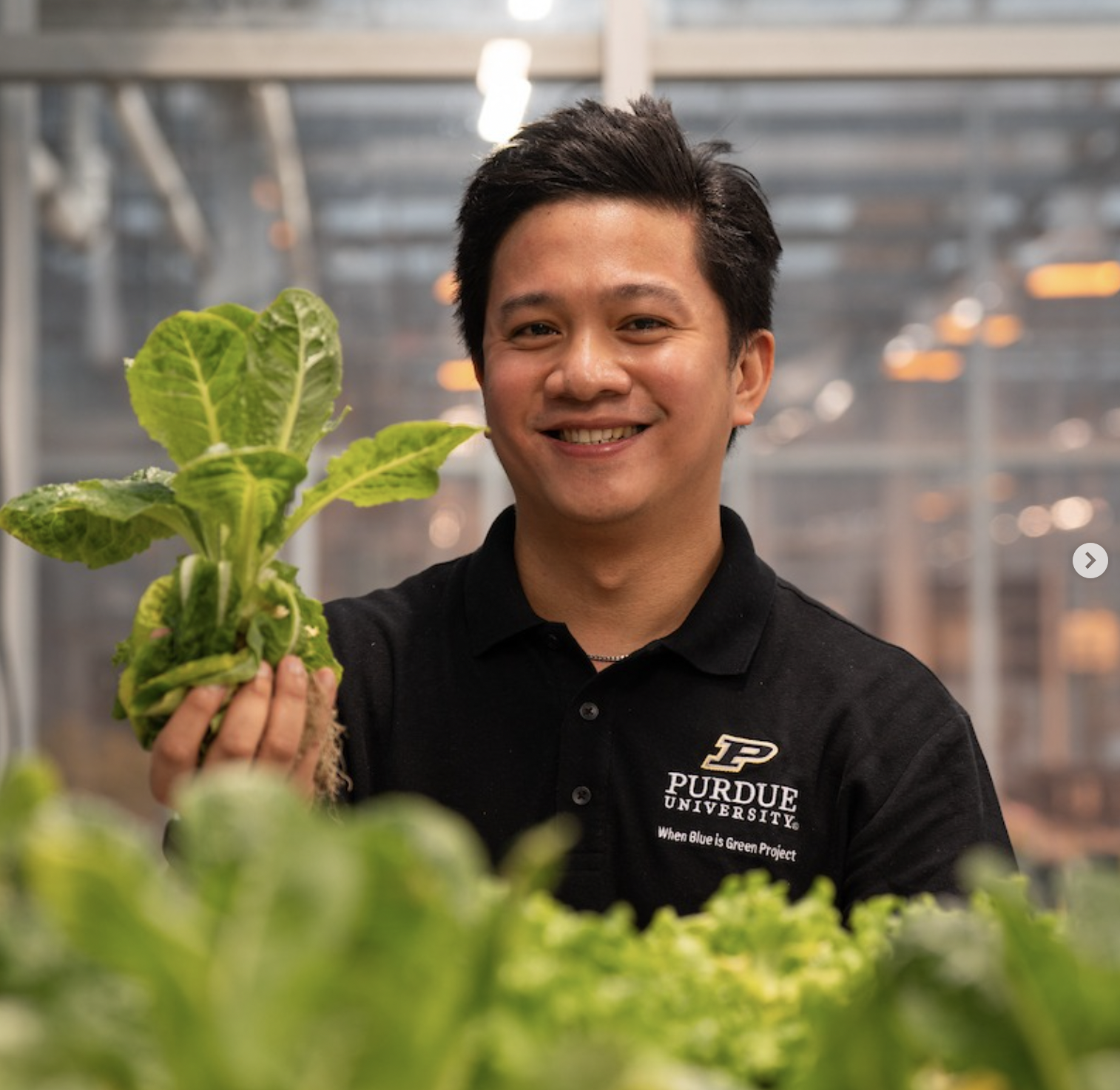
Jemuel Sagun Doctolero
Research Projects
Jemuel Sagun Doctolero, PhD Candidate at Purdue University, will conduct a presentation titled, “Application of a Revolving Algal Biofilm in Coupled Aquaponics Enhances Chlorella vulgaris Biomass Productivity and Nutritional Quality”. This presentation highlights the integration of a revolving algal biofilm (RAB) reactor into a coupled aquaponics system for the production of high-value Chlorella vulgaris biomass while maintaining fish and plant production. The performance of the coupled RAB system was compared with a decoupled algal system and a conventional aquaponics control by evaluating fish growth, lettuce yield, algal productivity, and biomass nutritional quality over a 35-day culture period.
-

Shumin Wang
Commercial/General Growing
Shumin Wang, Manager at Aone Aquaponics, will conduct a presentation titled, “Aquaponic systems for production in cold climates”. This presentation will cover a new greenhouse design that can grow year round in extreme cold climates such as Calgary.
-

Dr. Ron Malone
Basics of Aquaponics
Dr. Malone, President of Aquaculture Systems Technology, will conduct a presentation titled, “Optimizing Floating Bead Filter for Sludge Digestion in Small Scale Aquaponic Applications”. His presentation will cover the importance of solids filtration, the application of different types of bead filtration, and the ability to reutilize sludge removed from aquaponic systems.
-
Purdue Blue Is Green (B.I.G.) Project
Research and Education
The When Blue is Green project is co-led by Purdue University and The Ohio State University.
The goal of the BiG project is to increase local and regional production of seafood. To achieve this, research to develop an environmentally sustainable and economically viable food production system using aquaponics is taking place. Economic and environmental assessments are also being utilized to support these efforts. The purpose of 1-hour long sessions is to connect with stakeholders, disseminate information generated from these efforts, and identify bottleneck areas in production through needs assessments to set up future work.
-
Dr. Natalie Carroll
STEM/Educational Experiences
Dr. Natalie Carroll, Professor at Purdue University, will conduct a presentation titled, “Curriculum Development for High School Students”. This presentation will describe the process of developing educational activities for high school students. The process includes: 1) Team creation including educational and topic-matter specialists; 2) Team planning; 3) Writing the activities and supporting documents; 4) Teacher and topic-matter specialist reviews; 4) Pilot-testing with your target audience (students and their teachers; 5) Revisions; 6) Professional editing; 7) Professional design and layout, and 8) Deployment.
-
Dr. Bill Lovegrove
STEM/Educational Experiences
Dr. Bill Lovegrove, Professor at Bob Jones University, will conduct a presentation titled, “Aquaponics in Honduras: A Student Experience”. This presentation will tell the story of the fall 2023 Global Challenges class at Bob Jones University who worked with an NGO in Honduras to promote aquaponics. Reflections on aquaponics as a solution to food scarcity in the Dry Corridor of Central America from this effort will be shared. Additionally, insights on the continued efforts of the the fall 2026 Global Challenges class will be shared.
-
Jason Danaher
General/Commercial Growing
Jason Danaher, Senior Biologist at Aquatic Equipment and Design, will conduct a presentation titled, “Does A Protein Fractionator Belong in Aquaponics?” Jason’s presentation will explain protein fractionation and examine when protein fractionation may be beneficial, when it may be unnecessary, and how nutrient recovery could make it a useful component of advanced aquaponic systems.
-
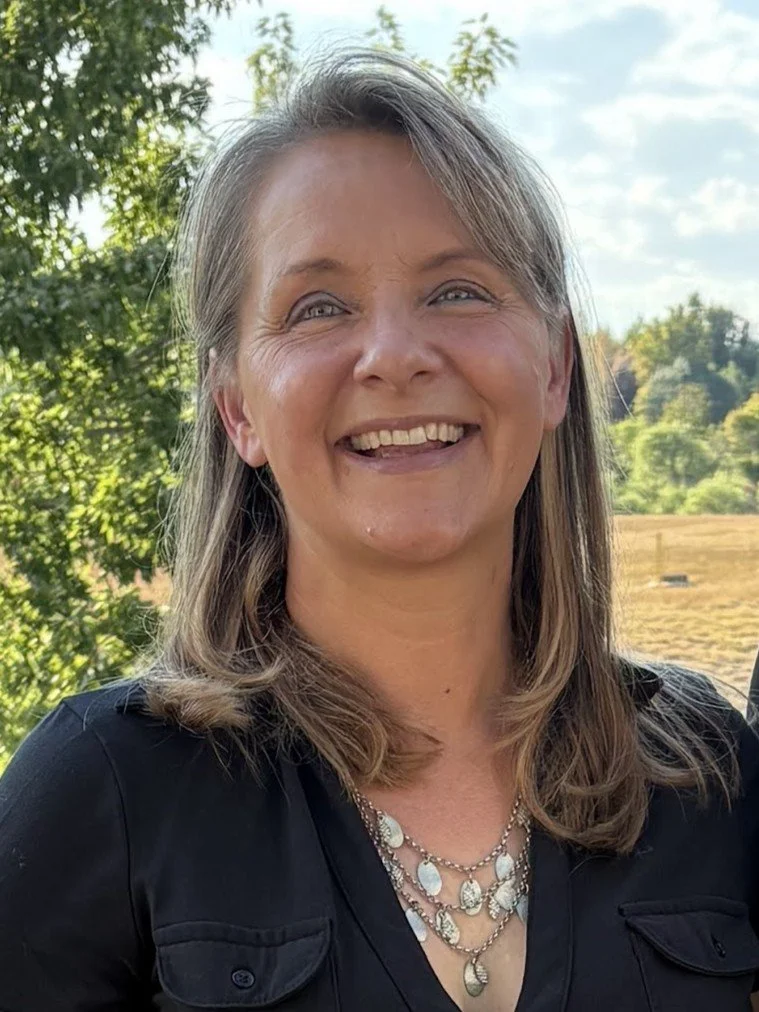
Tawnya Sawyer
General/Commercial Growing
Tawnya Sawyer, Owner of The Aquaponic Source, will conduct a presentation titled, “Growing Success - School, Farm and Hobby Case Studies”. Tawnya will share the case studies and lessons learned from successful school programs, well operated farms, and personal home systems over the last 17 years. Having worked with growers in all kinds of climates, buildings, crop types and markets, Tawnya will share their tips and tricks for success.
-
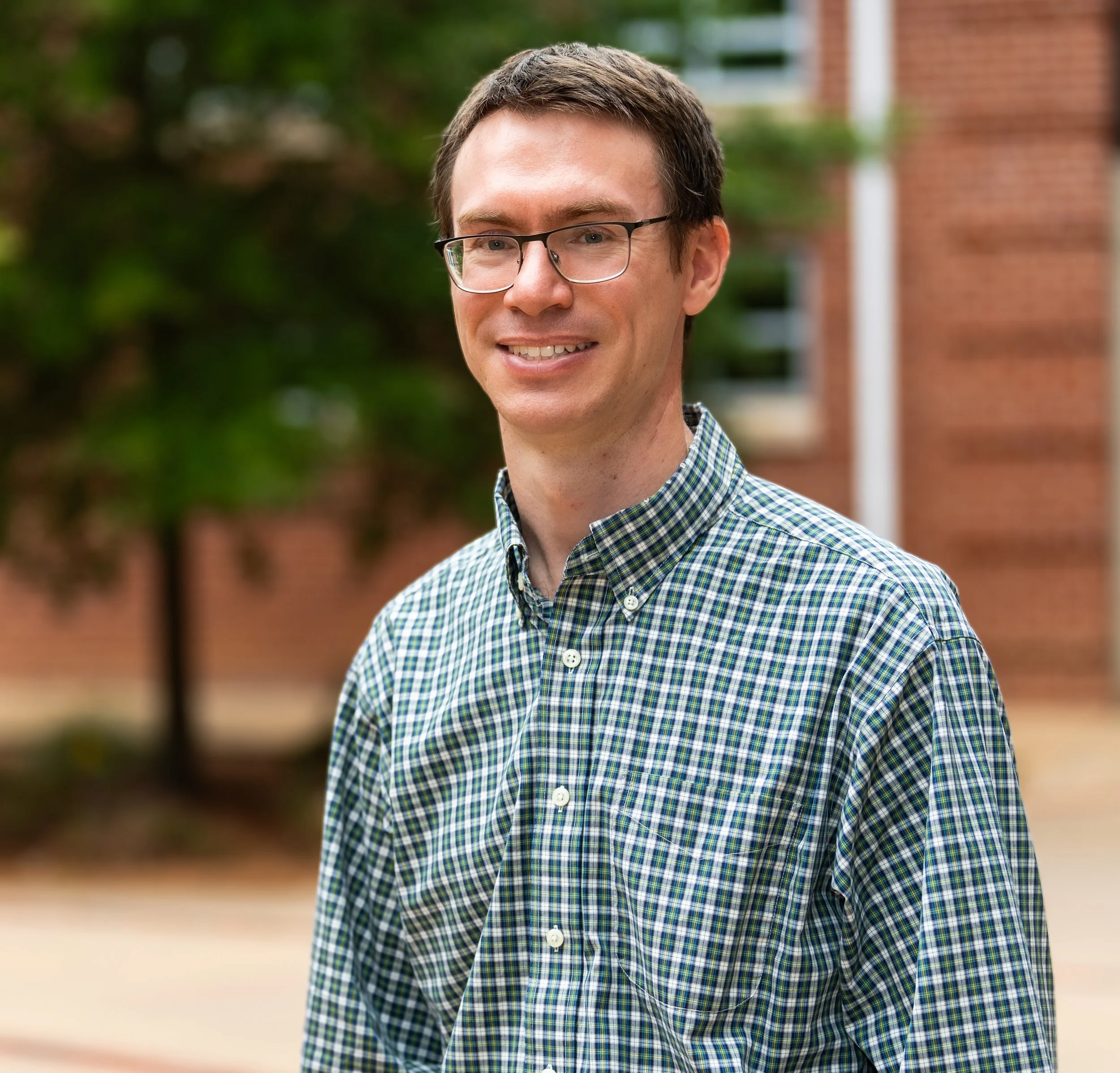
Dr. Brendan Higgins
Research Projects
Dr. Brendan Higgins, Professor at Auburn University, will conduct a presentation titled, “Managing plant wilting in substrate aquaponics tomato production”. This presentation will be focused on maintaining plant health in aquaponics and how to address challenges over long time horizons. This is especially critical for long-term crops like cherry tomatoes where the same vines are maintained for >6 months of the year. Information on addressing sludge build up in the substrate material induced water logging, reduced dissolved oxygen, and suppressed stomatal conductance will be provided.
-
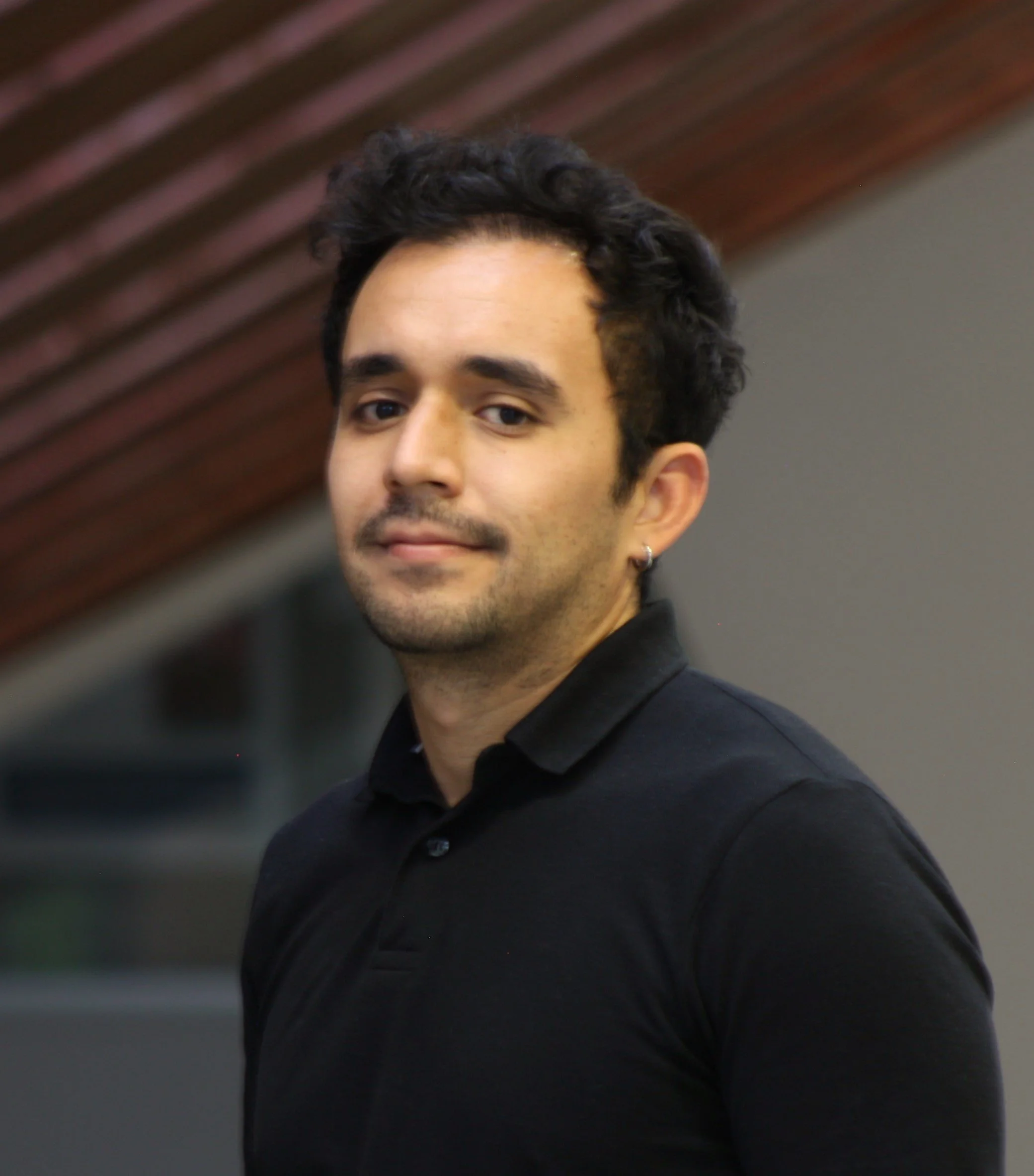
Dr. Sergio Garmendia-Lemus
Research Projects
Dr. Sergio Garmendia-Lemus, Post-Doc Researcher at University of Gothenburg, will conduct a presentation titled, “From Nutrient Recovery to Market Value: What Actually Drives Aquaponic Profitability?” This presentation examines when integrating fish and plant production creates economic value, drawing on a review of 78 studies and illustrative techno-economic scenarios. Particular attention is given to crop selection, market value, and the balance between additional revenues and the infrastructure and operational complexity required for integration. The presentation translates these findings into practical considerations for designing and operating economically viable aquaponic systems.
-
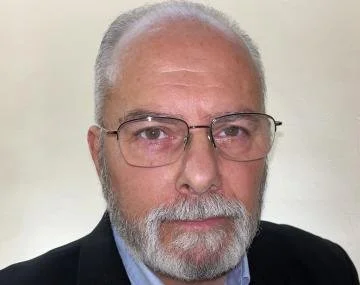
John Osborn
General/Commercial Growing
John Osborn, Aquaponics and Aquaculture Lab Manager at Cornell University, brings more than three decades of seasoned, real-world business experience in a discussion of the non-production factors and decision criteria that can determine whether an aquaponics enterprise succeeds or struggles, including external risks, regulation, fluctuating costs, sales strategy, market conditions, staffing, and adaptability. The presentation titled, “Beyond the Growing System: The Business of Building a Sustainable Aquaponics Enterprise” will focus on what prospective and existing operators should evaluate and monitor before startup, during launch, and throughout ongoing operations to improve long-term viability and resilience.
-

Brian Lio
General/Commercial Growing
Brian Lio, CEO of Grand Frontier Farms, will conduct a presentation titled, “Modern Agriculture: Open Source Vertical Aquaponic Farming Systems”. This talk will share Grand Frontier Farms’ progress, research, and systems as we build out our first farms and work to develop and apply a new form of Modern and Open Agriculture to real-world scenarios. From low-cost urban deployments to commercial-scale facilities that utilize waste heat from datacenters, this presentation will touch on practical solutions that are both necessary and possible to address a real need for better crops grown within the communities they feed.
-
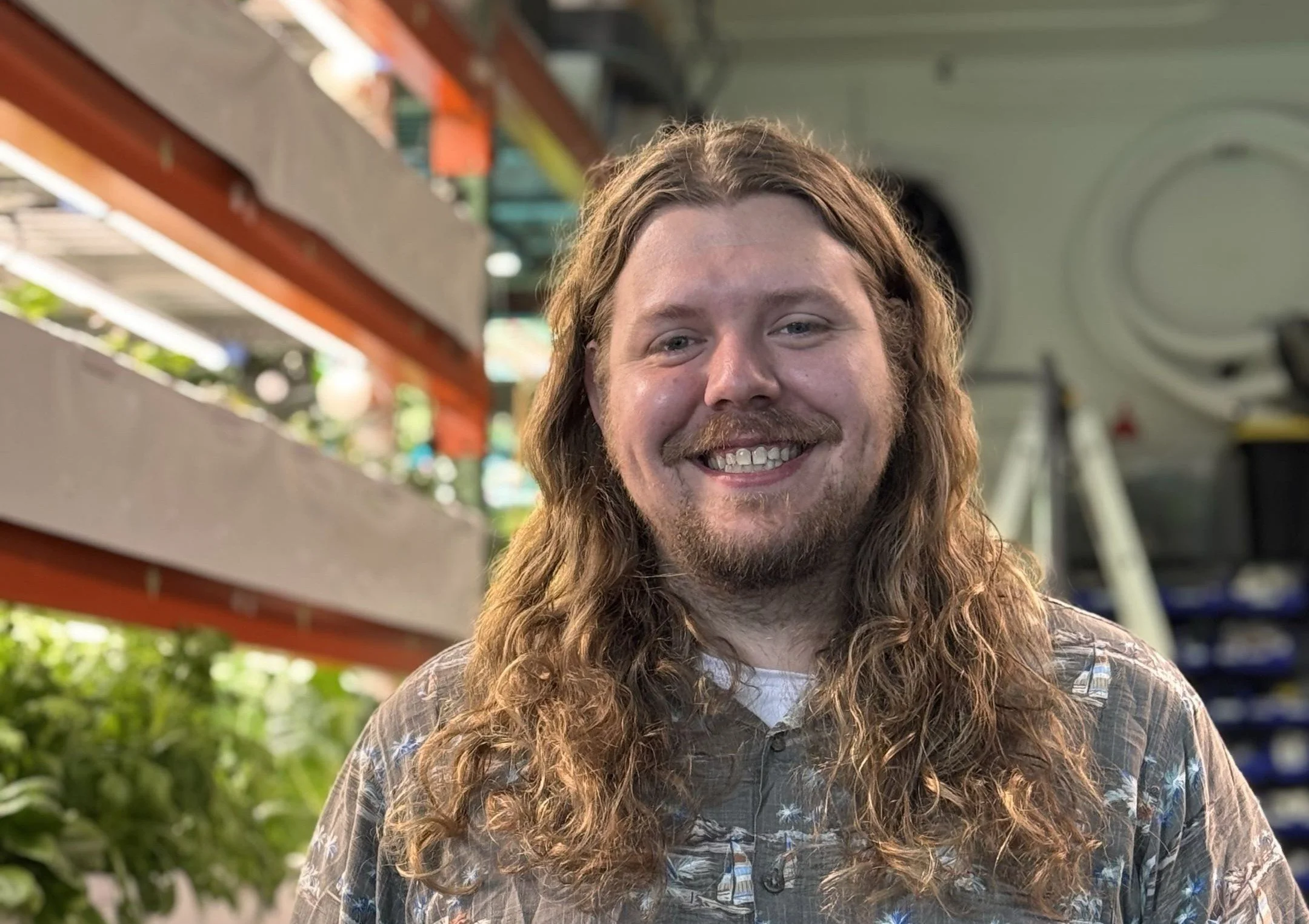
Joe Pate
General/Commercial Growing
Joe Pate, Manager at Grand Frontier Farms, will be conducting a presentation titled, “Growing More for Less: A Year of Vertical Aquaponic Crop Trials & Adventures”. This presentation will cover efforts over the past year, with a very specific goal: grow the most food possible at the lowest possible cost, and prove it harvest by harvest in our own farm. The crops and cultivars we ran, the planting densities, cycle lengths, lighting, and nutrient strategies we pushed on, the trials that failed, and the harvests that surprised us. Sharing results from the year, the methods and tools that came out of it, and the open questions still driving our work, as we turn our lessons into an open source foundation other growers can replicate, and build on and contribute to.
-
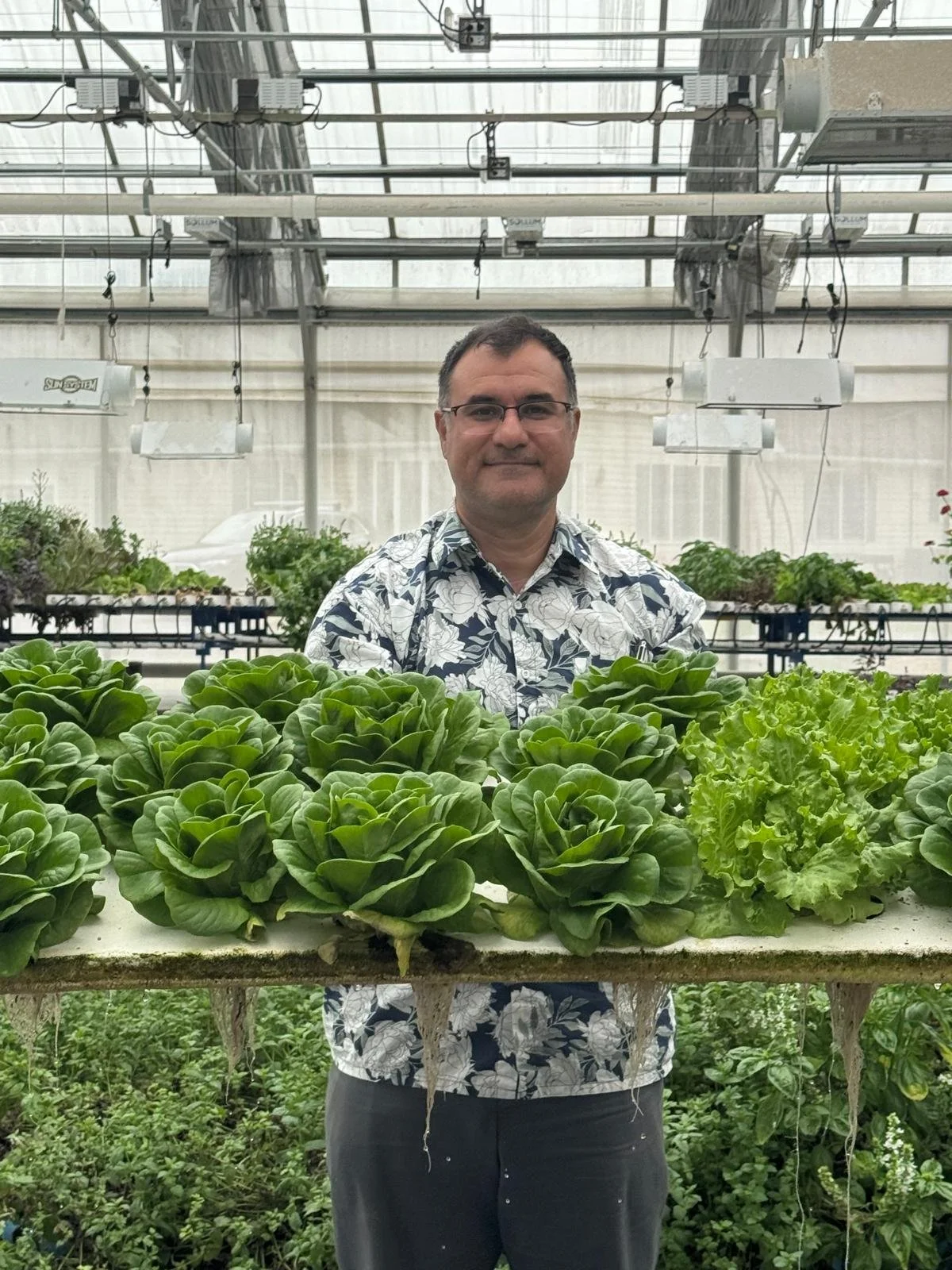
Elshan Bal
General/Commercial Growing
Elshan Bal, Partner at Greenway Farms, will conduct a presentation titled, “Eight Years in Commercial Aquaponics: What Worked, What Failed, and What I Would Do Differently”. Drawing on eight years of operating a USDA Harmonized GAP-certified commercial aquaponic farm in Maryland, this presentation explores the realities of integrating fish and leafy-green production with food safety, labor, and market development. It examines what worked, what failed, system limitations, and the changes the farm has made or plans to make. Attendees will gain practical guidance for building manageable systems, reducing risks, and aligning production with market demand.
-

Margaret Otto
Research Projects
Margaret Otto, Graduate Research Assistant at Auburn University, will conduct a presentation titled, “Plant Growth-Promoting Bacteria Mitigate Environmental Stress in Aquaponic Lettuce”. Her presentation will cover research in the microbiome of aquaponic systems, specifically involved in Plant Growth Promoting Microbes. The work screened 66 Bacillus and Pseudomonas strains for plant growth-promoting traits in vitro and applied 20 high-performing candidates as seed and water inoculants in lab-scale hydroponic lettuce systems exposed to stressors relevant to aquaponic production. Results and conclusions on this work will be presented.
-
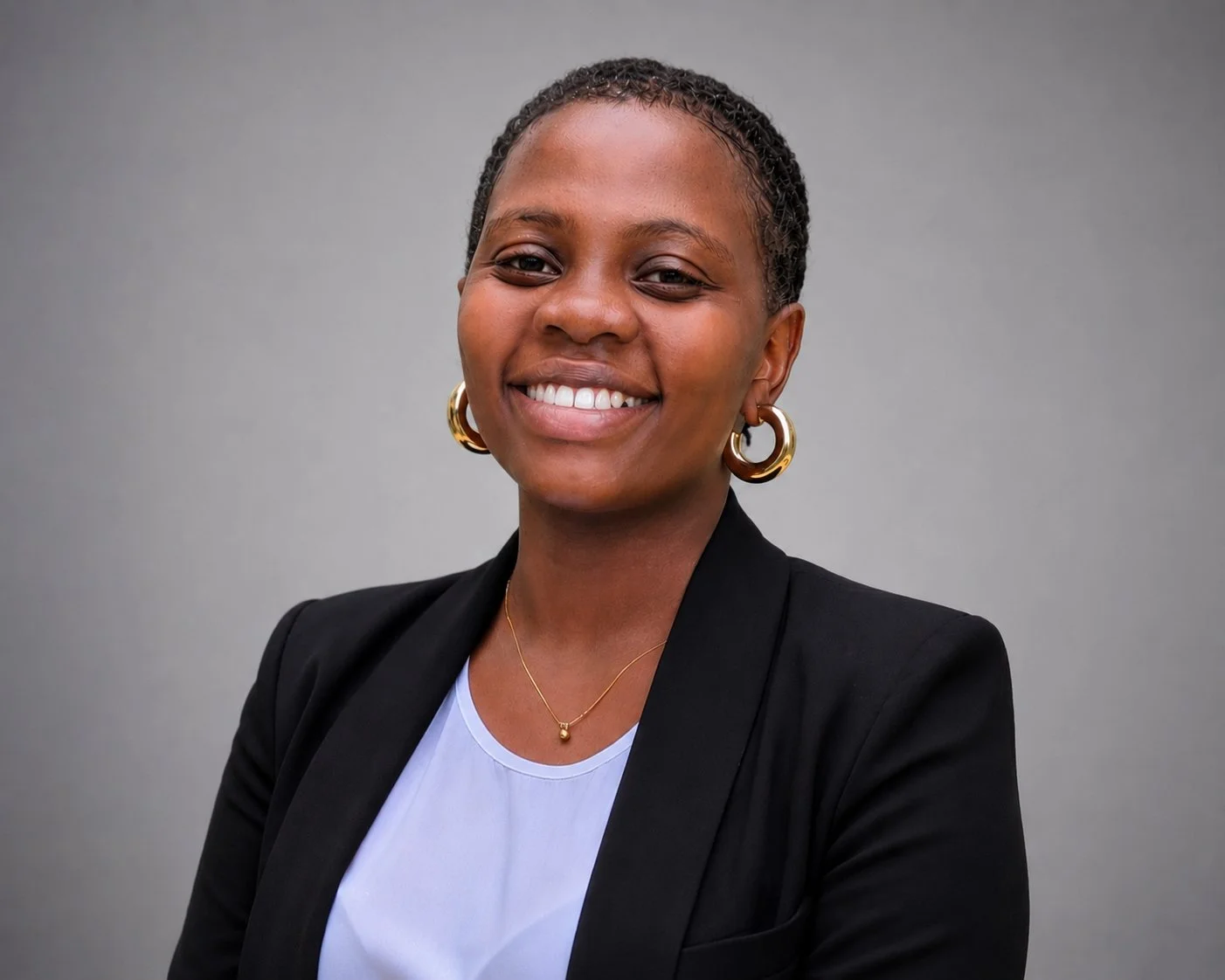
Sandrine Umutesi
Research Projects
Sandrine Umutesi, Graduate Research Assistant at Kentucky State University, will conduct a presentation titled, “Evaluating Gravity and Mechanical Filtration in Coupled Aquaponic Systems”. This presentation will cover research efforts comparing gravity-driven settling filtration coupled with a biofilter and mechanical bead filtration in replicated tilapia–Bibb lettuce aquaponic systems over 21 days. Results on water quality, fish and plant growth, as well as overall system operation will be presented.
-
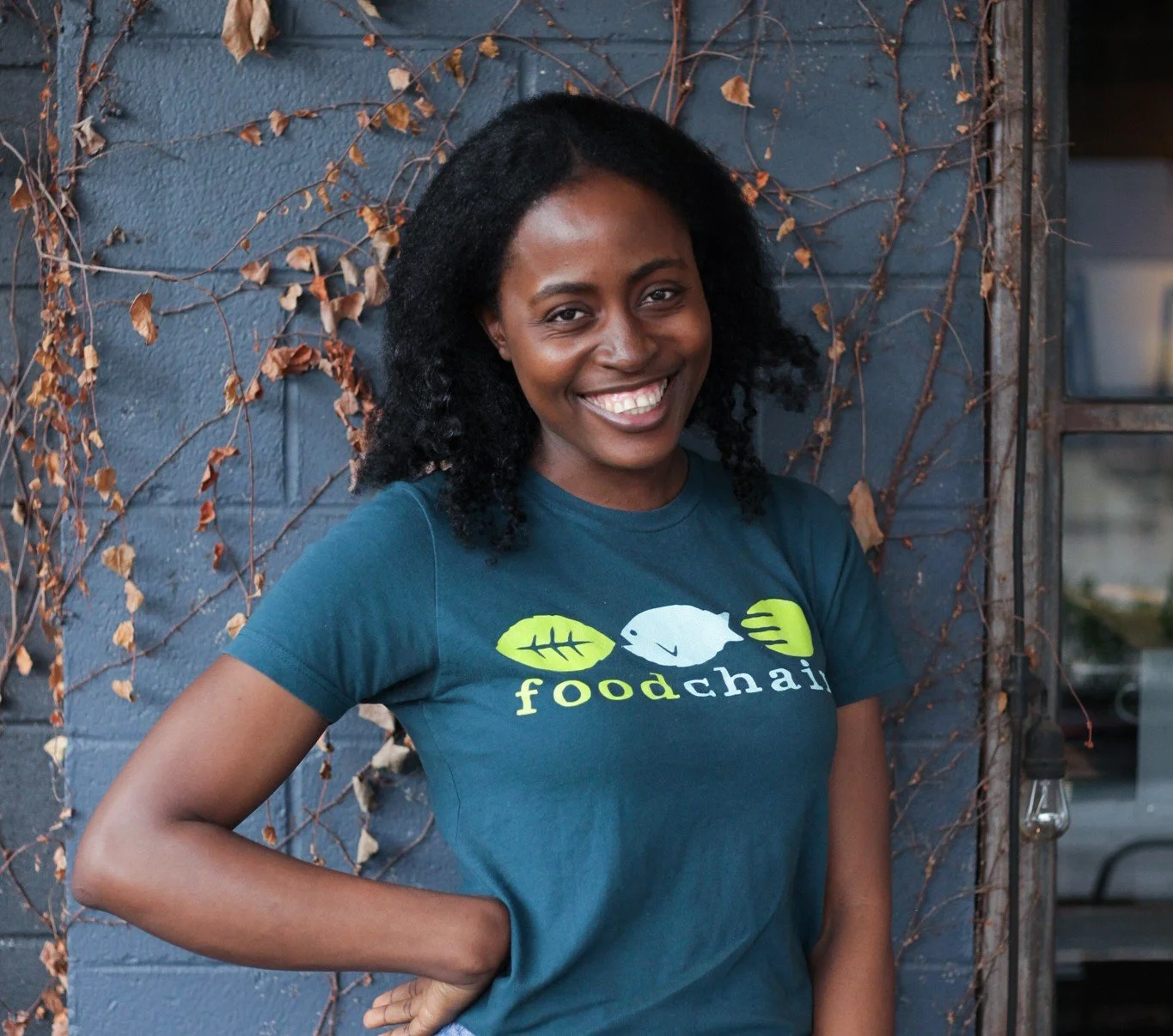
Dorcas Lukwesa
STEM/Educational Experiences
Dorcas Lukwesa, Aquaponics Researcher at FoodChain, will conduct a presentation titled, “Evaluating Student Outcomes and Experiences in the Bluegrass Urban Farm Friends Program: A Work-Embedded Aquaponics Experience at FoodChain”. This presentation evaluates student outcomes and experiences in Bluegrass Urban Farm Friends(BUFF), a paid, work-embedded aquaponics program for middle and high school students at FoodChain. The presentation will also highlight FoodChain’s milestones as a research incubator within the DARE-KY initiative, including engaging college students and facilitating aquaponics and hydroponics research with graduate students and university partners.
-
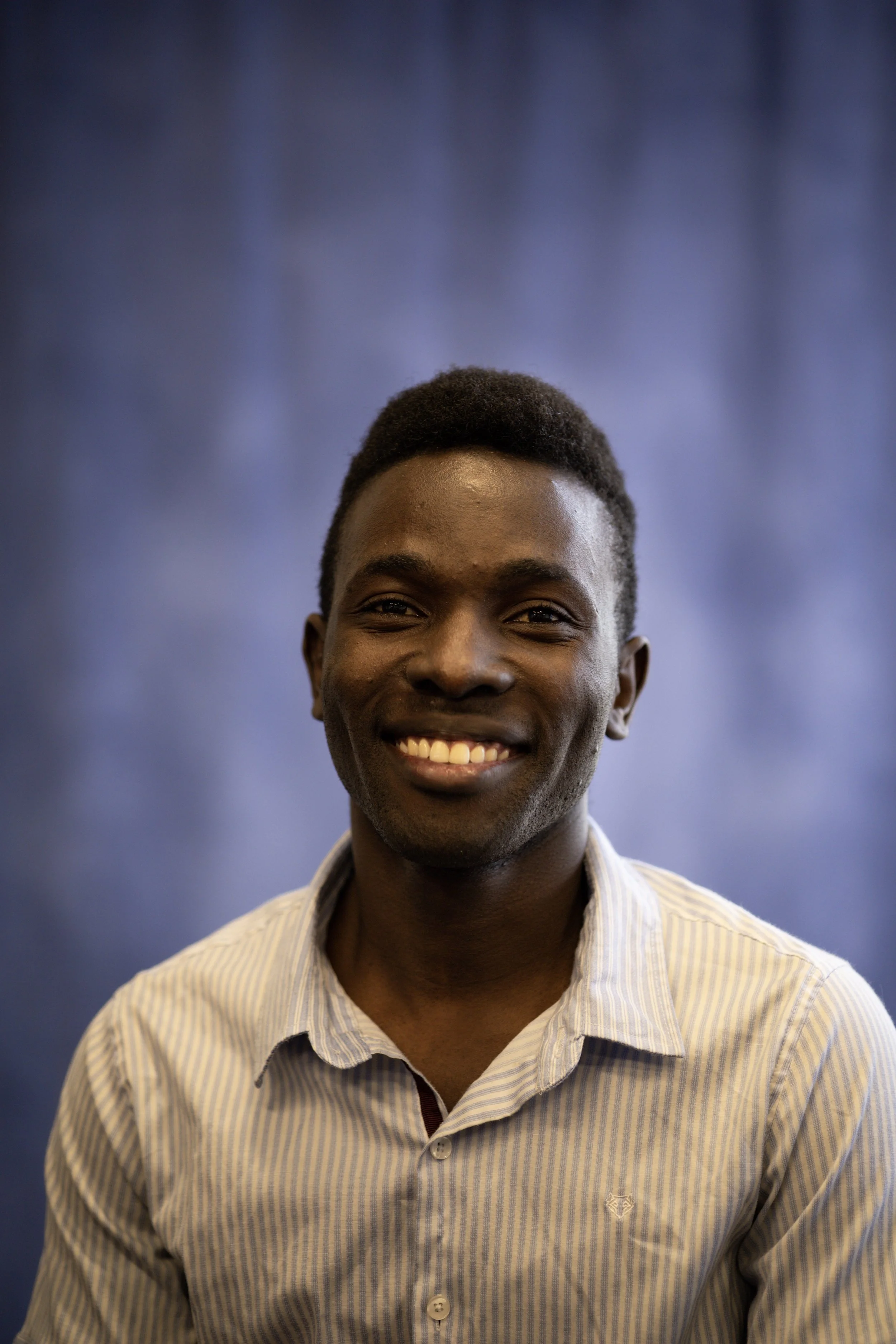
Arnold Katende
Community Efforts
Arnold Katende, Horticulture Extension Associate at Kentucky State University, will conduct a presentation titled, “Soilless Production for Urban Agriculture and Education”. This presentation will explore how soilless production systems can support urban agriculture and expand access to fresh food in limited spaces. It will highlight practical production approaches while demonstrating how these systems can be used as hands-on educational tools for growers, students, and communities.
-

Aisha Memon
Research Projects
Aisha Memon, Fullbright PhD Scholar at University of Arizona, will conduct a presentation titled, “Environmental Sustainability Breakeven of Aquaponics: An LCA‑Based Comparison with Open‑Field Tomato Production in Kenya”. The presentation examines whether aquaponics is genuinely environmentally sustainable or primarily a trade-off between saving water and increased energy demand. Using LCA results from community-scale aquaponics system across four Kenyan cities. The presentation will also discuss the challenges of conducting the LCA of aquaponics in diverse contexts.
-
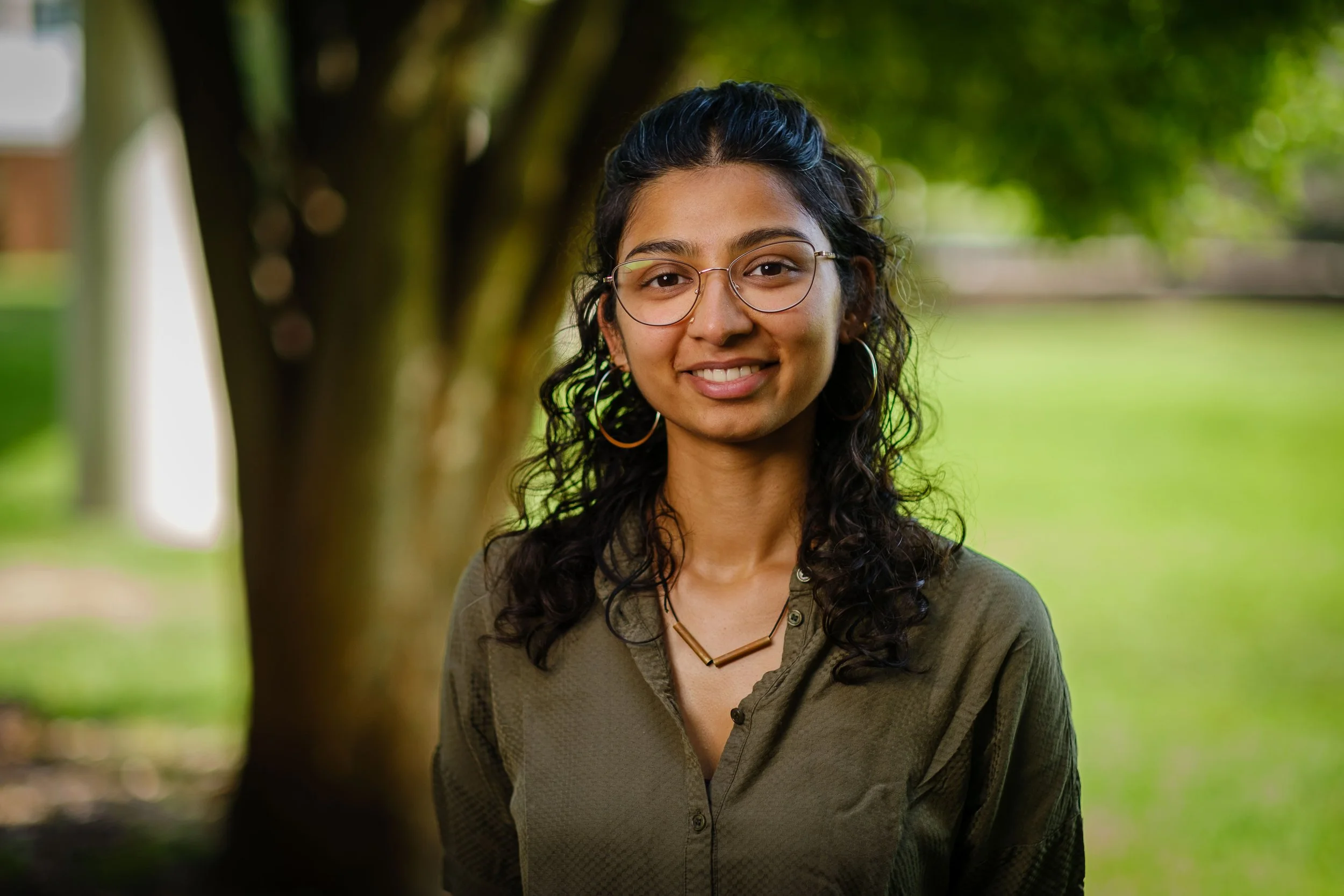
Arundathi Sharma
Research Projects
Arundathi Sharma, CEA Extension Associate at The University of Kentucky, will conduct a presentation titled, “Improving Microdwarf Tomato Production in Indoor Controlled Environments”. This poster presentation will report the results from a recent experiment comparing the performance (yield productivity) of two microdwarf tomato cultivars in six deep-water culture systems. Results showed significant and cultivar-specific differences associated with the different treatments.
-

More speakers announced soon!